resources

From Shopping to Socialising:

Digital
Shopping Centres
Published by Claire White

Why Shopping Centres Are Becoming Lifestyle Destinations


There was a time when the purpose of a shopping centre was simple: come in, buy something, leave.

That model is quietly disappearing.

Today, the most successful destinations aren’t just places to shop, they’re places to spend time. And that shift is fundamentally changing how shopping centres are marketed, tenanted and experienced.

So what’s driving it, and what does it mean for brands and landlords?

The Shift: From Transaction to Experience

Consumers haven’t fallen out of love with physical retail. But they have become more selective about why they visit.

Convenience? That’s been claimed by ecommerce.
Choice? Also online.
Speed? Even faster.

What physical spaces can offer better than anything else is experience, atmosphere and human connection.

That’s why we’re seeing a clear shift:

Fewer purely transactional visits
More intentional, social visits
Longer dwell times becoming the real success metric

Shopping centres are no longer competing with other retail destinations, they’re competing with restaurants, gyms, cinemas and even parks.

The Rise of Lifestyle-Led Tenant Mixes

One of the clearest signs of this shift is happening in leasing strategies.

Across the UK (and beyond), shopping centres are rebalancing their tenant mix to include:

Fitness studios and gyms\
Beauty, wellness and self-care services
Food and beverage concepts (from grab-and-go to premium dining)
Leisure and entertainment operators

These aren’t just “add-ons”, they’re becoming anchors in their own right.

Why?
Because they drive:

Frequency (you don’t go to the gym once a month)
Routine (coffee, lunch, classes)
Social behaviour (meeting, spending time, not just spending money)

In other words, they create habit, and habit drives footfall.

Dwell Time Is the New Footfall

Footfall still matters. But on its own, it’s no longer enough.

A centre full of people moving quickly from A to B is very different from one where people:

Stay longer
Explore more
Engage with multiple brands

That’s where dwell time comes in, and why it’s becoming a critical KPI.

Because the longer someone stays:

The more likely they are to spend
The more touchpoints they have with brands
The stronger their emotional connection to the destination

For marketers, this changes the brief entirely.

It’s no longer just about getting people through the door.
It’s about giving them a reason to stay.


What This Means for Marketing

If shopping centres are becoming lifestyle destinations, marketing needs to evolve with them.

That means shifting from:

Campaigns focused on offers → to campaigns focused on experience
Retail-led messaging → to destination-led storytelling
One-off visits → to repeat behaviours

Some of the most effective approaches we’re seeing include:

1. Programming over promotion
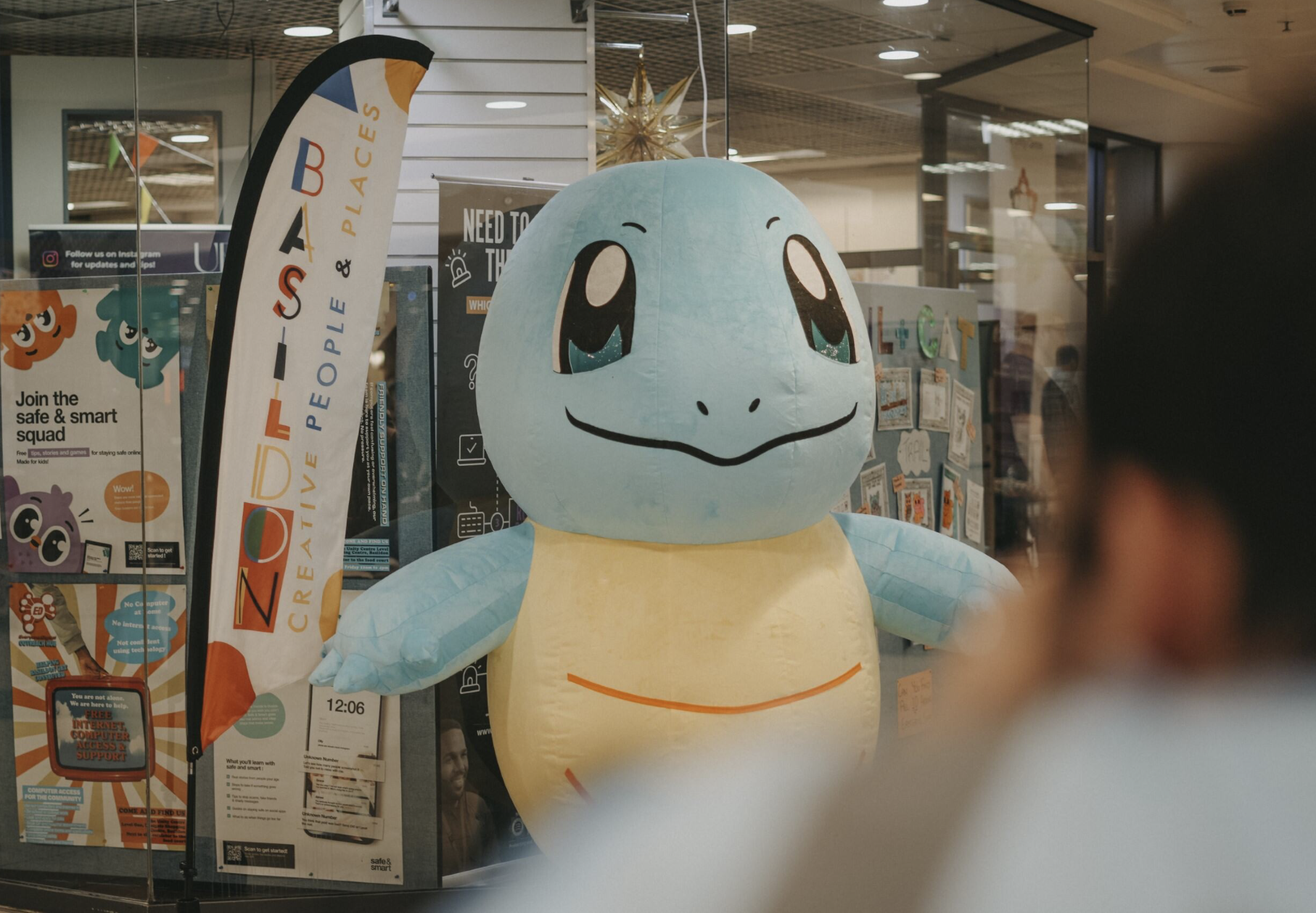
Events, activations and seasonal moments that give people a reason to visit beyond shopping.

2. Community-first thinking
Positioning the centre as part of people’s everyday lives, not just somewhere they go occasionally.

3. Content that reflects real usage
Showing people how to spend time there: coffee dates, gym sessions, family days, after-work meetups.

4. Blending tenants into one narrative
Not marketing brands in isolation, but as part of a wider lifestyle ecosystem.

The Opportunity for Centres That Get It Right

This shift isn’t just a challenge, it’s a huge opportunity. Centres that successfully position themselves as lifestyle destinations can: Increase visit frequency, build stronger emotional loyalty, attract more diverse tenants, future-proof against ecommerce pressure, but it requires a change in mindset. Because ultimately, this isn’t about adding a few cafés or hosting more events.


It’s about answering a much bigger question:

Why would someone choose to spend their time here?

Shopping centres aren’t disappearing, they’re evolving.

The role they play in people’s lives is expanding, from places of transaction to places of connection. And the brands and destinations that recognise that shift early? They won’t just drive footfall, they’ll become part of people’s everyday routines.

OnBrand | Meta Business Partner

So what now?


If your strategy is still built around driving visits alone, you’re already behind. The real opportunity lies in shaping how people spend their time once they arrive, and giving them a reason to come back again and again.

That’s where the difference is made. At OnBrand, we work with destinations to:

Turn spaces into experiences
Build campaigns that drive dwell time, not just footfall
Create reasons for people to choose your centre over everything else competing for their time

Because in 2026, it’s not just about being a place to shop.

It’s about becoming a place people want to be.

If you’re ready to rethink your destination strategy, let’s talk.

Claire White

Account Director – Destination & Shopping Centre Marketing